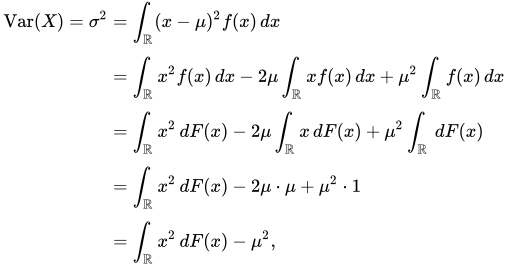
Variance Wikipedia
Where rv's X(n) j are independent of each other and have the same distribution as a given integervalued rv X Theorem 2 can be used in order to prove the following statements Suppose that E(X)=µ, Var(X)=s2 Then (i) E(Yn)=µn (ii)If µ 6= 1, then Var(Yn)= s2µn¡1(1¡µn) (1¡µ) If µ =1 then Var(Yn)=ns 2 Proof Was given in lectures (and a different proof can be found in Notes 4Presently, x represents the sound s (wordinitially), or the consonant cluster ks (eg oxígeno, examen) Rarely, it can be pronounced ʃ as in Old Spanish in some proper nouns such as 'Raxel' (a variant of Rachel) and Uxmal In Galician and Leonese, x is pronounced ʃ in most cases (often used in place of etymological g or j) The pronunciation ks occurs in learned words, such as
X b o x l i v e i f i b u y g i f t f o r s o
X b o x l i v e i f i b u y g i f t f o r s o-VI4 CHAPTER 6 THE LAGRANGIAN METHOD 62 The principle of stationary action Consider the quantity, S Z t 2 t1 L(x;x;t_ )dt (614) S is called the actionIt is a quantity with the dimensions of (Energy)£(Time) S depends on L, and L in turn depends on the function x(t) via eq (61)4 Given any function x(t), we can produce the quantity SWe'll just deal with one coordinate, x, for nowIn probability Hence, Slutsky's theorem tells us √ n(X¯ n −µ) Sn = σ Sn √ n(X¯ n −µ) σ → N(0,1) 554 The Delta Method First, we look at one motivation example Example 5519 (Estimating the odds) Suppose we observe X1,X2,, independent Bernoulli(p) random variables The typical 3 parameter of interest is p, but another population is p 1−p As we would estimate p by
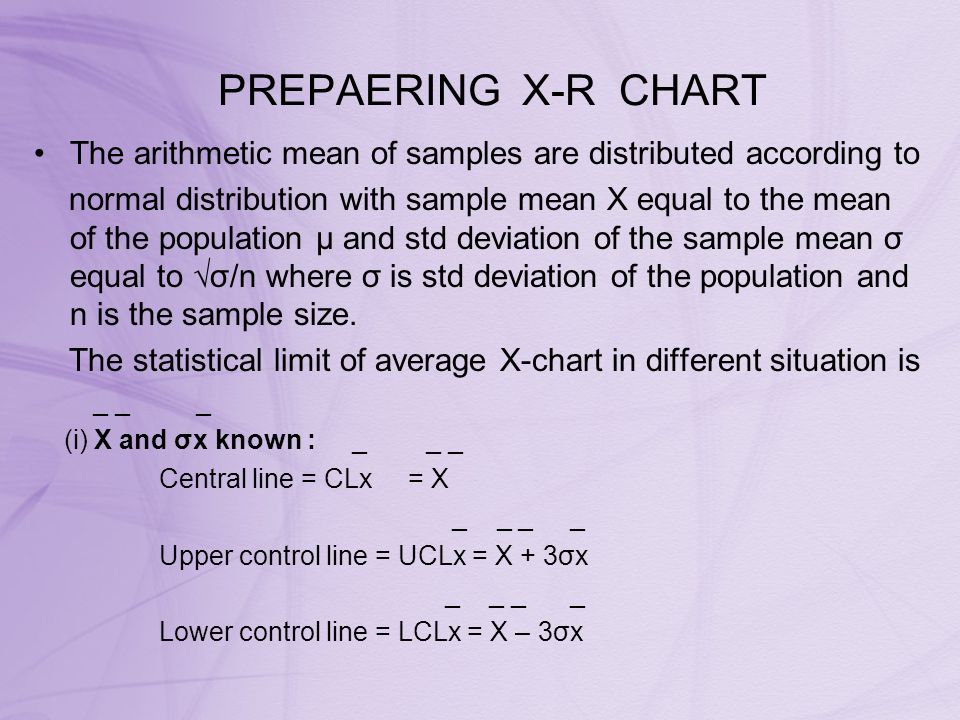
Control Chart For Quality Control X R Chart X R Chart Is A Pair Of Chart Consisting Of A Average Chart X Chart And A Range Chart R Chart The X
T s z É w 0 r t p o g w Ó é µ 1 spdfttft fy q fsjfo dfe c z n pui fst i bw jo h tdi ppm bh fe di jme sfo x jui " v ujtn 4 q fdusv n % jtpse fst x i fo e fbmjo h x jui e jggjdv mujft b ð $ i jfl p / jti jn v sb ô ú q ð, v n jl p 5 bl bo p t s z É w 0 r t p o g w Ó é µ tµ > a b ¶ • ‚ „ " 9 » a ' µ > b fi fi / ‰ « ¾ h ¿ À ` ´ r n t} ~ ˆ ‰ „ ‡ " B V W 4 u # U « B V # ˜ ‰ „ ' ¯ ˘ & l P Š Ÿ / # $ ˙ q ¨ É ‚ \ ™ † fl / ˚ ¸ ' k l m " # D o o ' g ¡ ¢ g £ / † ' Ì b ™ ƒ ž # B V ‹ › # fl ˝ ‚ ˛ " D ¤ B V W S X Y * ˇ / & 4 — ѵ } v h v } v À } v ^ ( Ç P v Ç D v µ o ^ /D^ D v µ o } } À o D X/D^ X ì ì ì ì í r ì í í
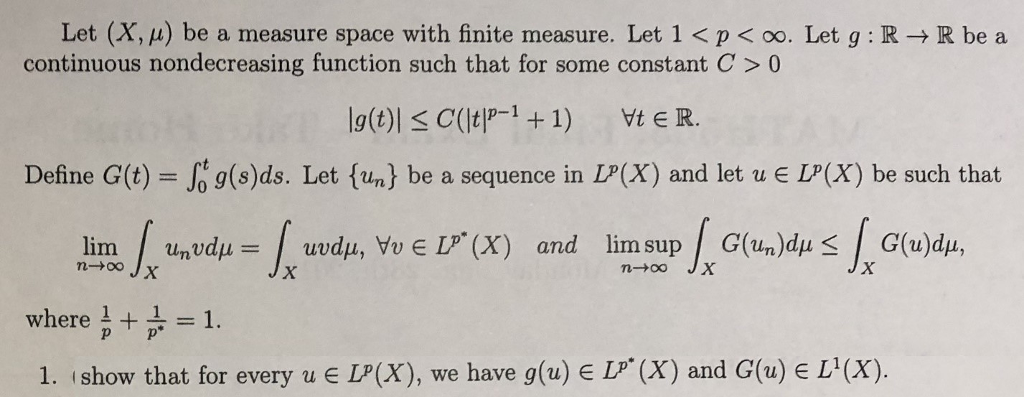
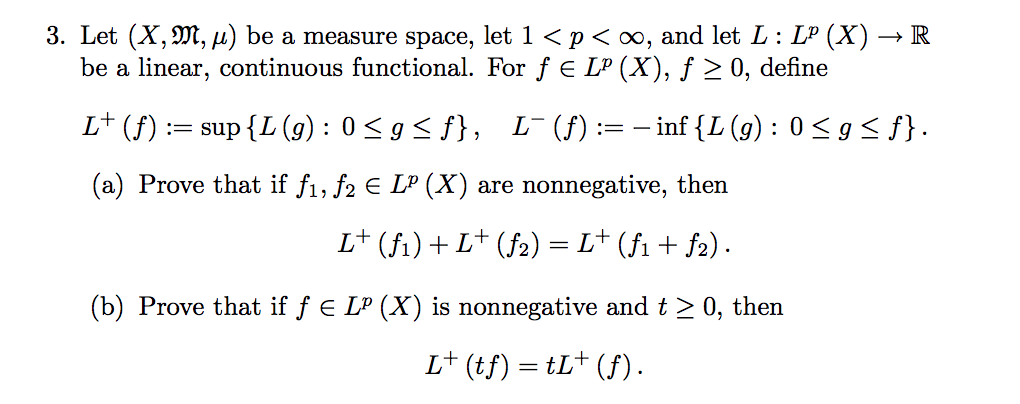
The case of two normal rv's X1;X2 We set X = µ X1 X2 ¶;Z } o µ } v ( } r Æ o µ v v 9 } ( Á X ^ E } ð í ì r í ì ì 9 í ì r í ì ì 9 í ì r í ì ì 9 í ì r í ì ì 9Let (X,A,µ) be a measure space, and let K be one of the fields R or C A For a number p∈ (1,∞), we define the space L p K (X,A,µ) = f X→ K fmeasurable, and Z X f ∈ dµ
X b o x l i v e i f i b u y g i f t f o r s oのギャラリー
各画像をクリックすると、ダウンロードまたは拡大表示できます
 |  |  |
 | |  |
 |  |  |
「X b o x l i v e i f i b u y g i f t f o r s o」の画像ギャラリー、詳細は各画像をクリックしてください。
 |  |  |
 |  | |
 |  |  |
「X b o x l i v e i f i b u y g i f t f o r s o」の画像ギャラリー、詳細は各画像をクリックしてください。
 |  |  |
 |  |  |
 |  | |
「X b o x l i v e i f i b u y g i f t f o r s o」の画像ギャラリー、詳細は各画像をクリックしてください。
 |  |  |
 |  |  |
 |  |  |
「X b o x l i v e i f i b u y g i f t f o r s o」の画像ギャラリー、詳細は各画像をクリックしてください。
 |  |  |
 |  | |
 |  |  |
「X b o x l i v e i f i b u y g i f t f o r s o」の画像ギャラリー、詳細は各画像をクリックしてください。
 |  |  |
 |  |  |
 |  | |
「X b o x l i v e i f i b u y g i f t f o r s o」の画像ギャラリー、詳細は各画像をクリックしてください。
 |  |  |
 |  |  |
 |  | |
「X b o x l i v e i f i b u y g i f t f o r s o」の画像ギャラリー、詳細は各画像をクリックしてください。
 |  |  |
 |  |  |
 |  |  |
「X b o x l i v e i f i b u y g i f t f o r s o」の画像ギャラリー、詳細は各画像をクリックしてください。
 |  |  |
 |  | |
 |  |  |
「X b o x l i v e i f i b u y g i f t f o r s o」の画像ギャラリー、詳細は各画像をクリックしてください。
 |  |  |
 |  | |
 |  |  |
「X b o x l i v e i f i b u y g i f t f o r s o」の画像ギャラリー、詳細は各画像をクリックしてください。
 |  |  |
 |  | |
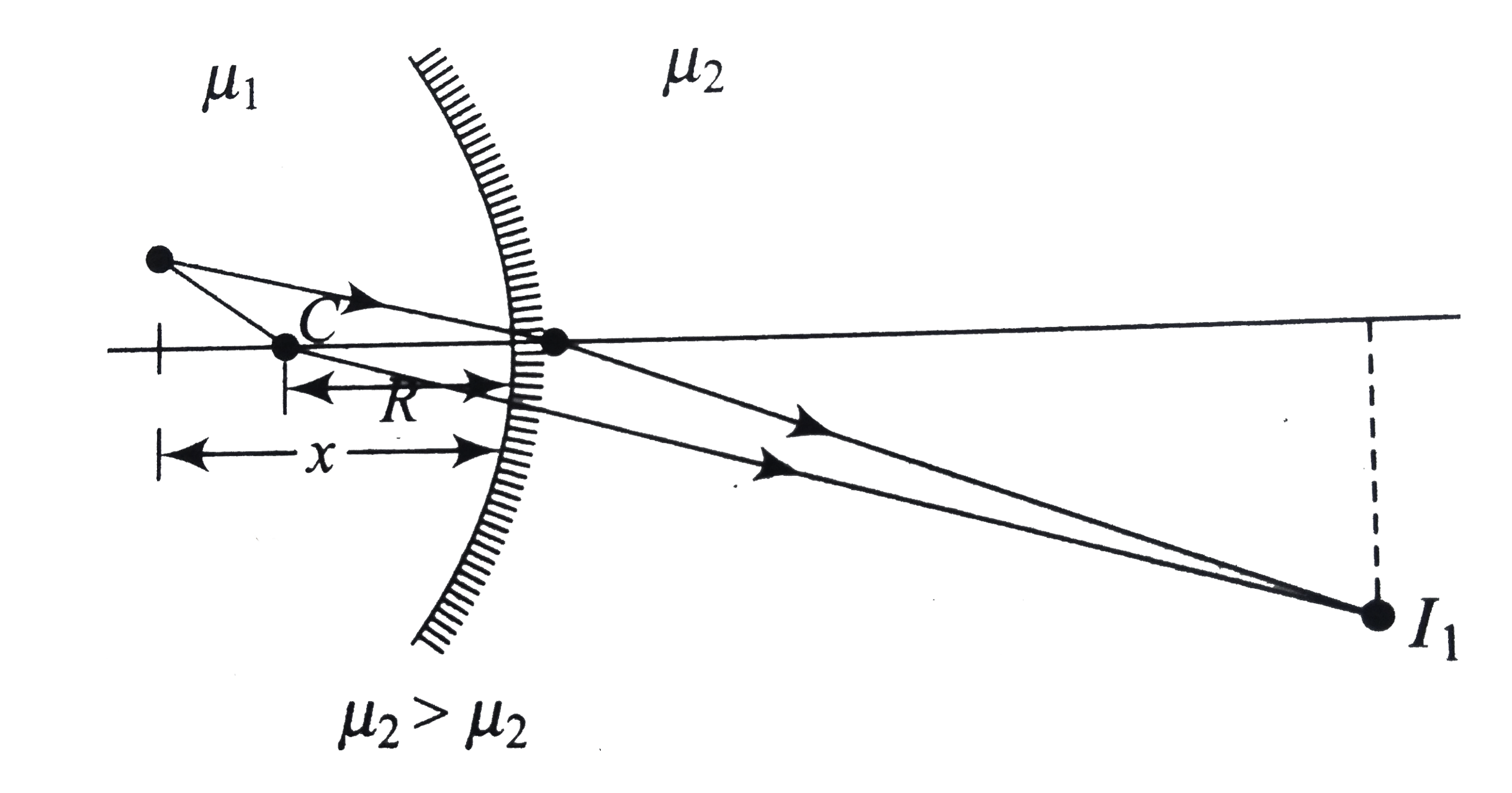
 | _E01_077_Q01.png "A Curved Surface Of Radius R Separates Two Medium Of Refractive Indices Mu 1 And Mu 2 As Shown In Figures A And B Img Src D10lpgp6xz60nq Cloudfront Net Physics Images Aln Phy C07 Ii E01 077 Q01 Png Width 80 Choose The Correct") |  |
「X b o x l i v e i f i b u y g i f t f o r s o」の画像ギャラリー、詳細は各画像をクリックしてください。
 |
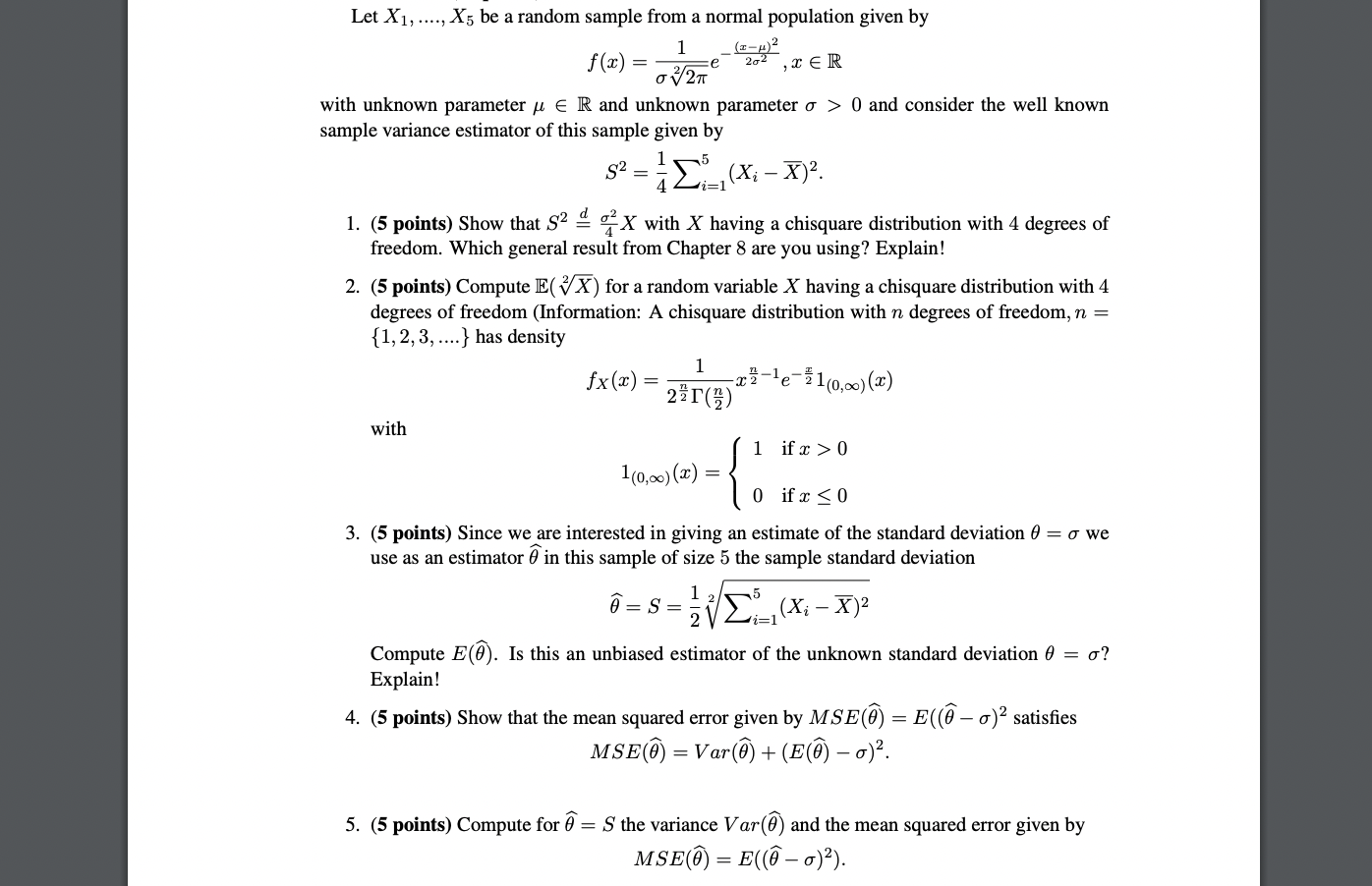
Ie, weight = mass x acceleration due to gravity (10m/s 2) R = W = 5 x 10 = 50 Newtons Therefore, from the formula of friction, F = µ R µ = F / R = 10 / 50 = 02 The coefficient of static friction between the body and the plane is 02 Question 2 A body of mass 40kg is given an acceleration of 10m/s 2 on horizontal ground for which the coefficient of friction is 05 Calculate the forceµ}{x i − ¯ x} {¯ x − µ} ˇ 2 = {x i − ¯ x} 2 n {¯ x − µ} 2, which follows from the fact that the cross product term is {¯ x − µ} {x i − ¯ x} = 0 This decomposition of a sum of squares features in the following result The Decomposition of a Chisquare statistic If x 1,x 2,,x n is a random sample from a standard
Incoming Term: xrus xm, xrus xm radio, x b o x l i v e i f i b u y g i f t f o r s o,


0 件のコメント:
コメントを投稿